
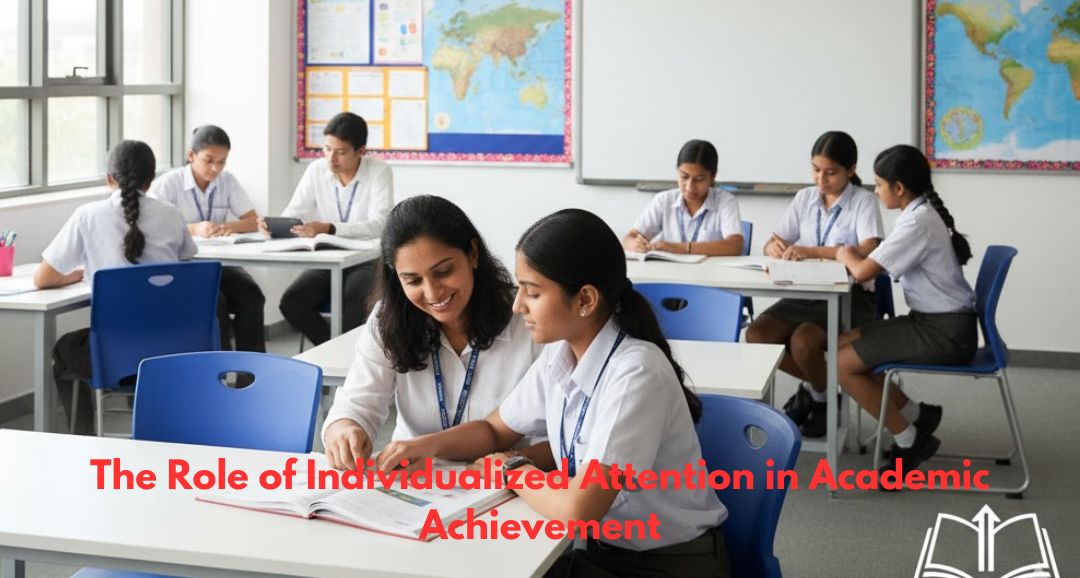
Introduction:
In an age when education is becoming increasingly personalized, schools that focus on the individual learner are redefining what true academic success looks like. At LPS Global, the Top Academic Schools in Noida where it stands out by nurturing every student as a unique learner—someone with distinct strengths, aspirations, and learning styles.
Individualized attention is more than just extra support; it’s the foundation of meaningful education. It ensures that every student receives the care, encouragement, and guidance required to achieve academic excellence while developing essential life skills such as resilience, confidence, and curiosity.
When education is personal, learning becomes purposeful—and that’s what drives lasting academic achievement.
About Us:
At our school, we believe learning thrives when each student is seen, heard and supported. We combine tailored academic pathways with vibrant co-curricular experiences – from robotics club and creative writing workshops to inter-house quiz bowls – so that every child receives the individual mentoring they deserve. Regular events such as annual science fairs and student-led research showcases reinforce this ethos by putting each learner centre-stage. Our sports programmes – including swimming, basketball and judo – underpin the idea that achievement is holistic, not just academic. We warmly invite families to experience our collaborative environment, where focussed attention meets inspired discovery.
What Does Individualized Attention Really Mean?
Individualized attention refers to a student-centric approach where teachers design and adapt their teaching methods according to the learning pace, style, and needs of each child. Instead of following a rigid, one-size-fits-all curriculum, educators tailor lessons to help students grasp concepts at their own speed.
At the Academic School, individualized attention begins with understanding each child’s academic profile. Teachers observe classroom behavior, identify strengths and challenges, and craft personalized strategies to help every student thrive—whether through one-on-one mentoring, differentiated assignments, or targeted academic enrichment.
This creates an environment where no student feels left behind and every learner feels valued.
Why Personalized Attention Drives Academic Excellence
Academic success is not just about grades—it’s about developing the confidence to learn, question, and grow. Here’s how individualized attention creates a transformative difference in a student’s educational journey:
- Deepens Conceptual Understanding : When teachers take time to identify how each student learns best, they can adjust their approach to improve comprehension. Students move beyond rote memorization and instead develop a deeper understanding of subjects—resulting in improved performance and long-term retention.
- Strengthens Confidence and Motivation : Children who receive focused guidance often become more self-assured learners. They feel supported, capable, and encouraged to take on new challenges. The personal bond between teacher and student becomes a source of motivation that fuels consistent academic growth.
- Closes Learning Gaps Early : Even the most talented students encounter learning gaps. Through individualized monitoring and timely intervention, teachers can address difficulties before they escalate. This proactive approach ensures steady progress for every learner.
- Builds Emotional Intelligence : Personal attention allows educators to understand not only a child’s academic needs but also their emotional and social development. Recognizing these aspects helps students build empathy, self-awareness, and emotional balance—skills that enhance overall learning.
- Encourages Self-Paced Learning : Every child learns at a unique rhythm. Individualized instruction gives students the time they need to master concepts before moving forward. This eliminates pressure and comparison, leading to genuine understanding and academic satisfaction.
How Individualized Attention Works in Practice
Delivering personalized education requires structure, intention, and collaboration. Leading institutions implement several proven strategies to ensure that individual attention translates into academic success.
- Smaller Class Sizes : Smaller classrooms provide an ideal environment for one-on-one interaction. Teachers can observe, guide, and evaluate each learner effectively, ensuring that every student’s academic needs are met consistently.
- Differentiated Teaching Methods : Educators employ multiple teaching styles to cater to varied learners—visual learners benefit from charts and diagrams, auditory learners excel through discussion, and kinesthetic learners thrive through hands-on experiences. This inclusivity enriches the classroom dynamic.
- Regular Assessments and Feedback : Instead of relying solely on exams, continuous assessments such as projects, oral presentations, and creative tasks provide a holistic picture of progress. Constructive feedback empowers students to identify areas for improvement and celebrate their achievements.
- Personalized Learning Plans (PLPs) : Personalized Learning Plans act as roadmaps for academic development. These plans define short-term and long-term goals for each student and help teachers tailor instruction to align with individual capabilities.
- Smart Technology Integration : Modern schools use AI-driven learning platforms and digital classrooms to track performance and customize assignments. This data-driven approach makes learning more interactive, engaging, and responsive.
The Teacher’s Role in Delivering Personalized Education
Teachers are at the heart of individualized learning. Their empathy, insight, and adaptability determine how effectively personalized strategies work in real classrooms.
- Observation and Adaptation : Educators continuously monitor how students respond to different teaching methods. They adapt lesson plans to keep every learner engaged, using feedback to guide the next step in learning.
- Mentorship and Encouragement : Teachers act as mentors who recognize effort as much as outcome. This emotional support gives students a sense of belonging and confidence to express themselves freely.
- Collaboration with Parents : Open communication between teachers and parents ensures consistent support for the child. When parents are involved in progress discussions, students feel more motivated and accountable.
Through this triangular relationship—student, teacher, and parent—learning becomes a shared journey rather than a solitary race.
Individualized Attention Beyond the Classroom
True education extends beyond textbooks and classrooms. Schools that emphasize individualized attention also nurture talents, creativity, and social awareness.
- Leadership and Responsibility : Students are encouraged to set personal goals, take ownership of their progress, and participate in leadership opportunities. This fosters responsibility and independence from a young age.
- Creativity and Innovation : When children feel supported, they explore ideas fearlessly. Individual guidance allows teachers to spot creative potential and channel it through art, innovation labs, and interdisciplinary projects.
- Emotional and Mental Well-being : A personalized environment ensures that emotional well-being receives as much importance as academics. Regular counseling and mentoring sessions promote mindfulness, resilience, and self-esteem.
- Building Future-Ready Skills : Critical thinking, collaboration, and adaptability are core 21st-century skills. By personalizing learning experiences, schools ensure students develop these competencies alongside academic excellence.
The Role of Infrastructure in Supporting Personalized Learning
Modern educational infrastructure plays a vital role in enabling teachers to provide individualized attention effectively.
- Smart Learning Spaces : Interactive boards, e-learning modules, and multimedia resources make classes dynamic and participatory, giving students varied ways to understand concepts.
- Specialized Resource Labs : Well-equipped labs for science, languages, and technology allow experiential learning, helping teachers connect theory to practice for each learner.
- Counseling and Mentorship Programs : Dedicated academic counselors and mentors track student progress, helping learners overcome challenges through personal guidance and motivation.
- Co-Curricular Integration : Activities like sports, music, debate, and drama are woven into the academic framework. They allow teachers to recognize individual strengths and cultivate skills that go beyond academics.
How Parental Engagement Enhances Individualized Attention
The most successful learning outcomes occur when parents are active partners in education.
- Consistent Communication: Regular updates on academic and emotional development allow parents to reinforce the same goals at home.
- Encouraging Independence: Parents who support self-learning and exploration at home build their child’s confidence and curiosity.
- Balanced Expectations: Focusing on effort rather than perfection helps children enjoy learning and stay motivated.
This partnership between school and home ensures that individualized attention continues seamlessly beyond the classroom.
Challenges in Delivering Personalized Education
Implementing individualized attention requires resources, training, and time. Teachers often need to balance diverse learning levels within a single classroom. However, institutions committed to excellence overcome these challenges through:
- Continuous professional development for educators
- Use of digital analytics to track academic patterns
- Peer learning and collaborative projects that complement personal growth
By combining innovation with human understanding, schools ensure that personalized learning remains effective and inclusive.
Individualized Learning: A Foundation for Lifelong Success
The benefits of individualized attention extend far beyond school years. Students who experience personalized learning develop traits that define lifelong success:
- Self-Motivation: They learn how to set and pursue goals independently.
- Critical Thinking: Exposure to tailored problem-solving builds analytical ability.
- Adaptability: Personalized learning prepares them for dynamic global challenges.
- Confidence: Knowing their strengths helps them thrive in competitive environments.
This approach shapes not only scholars but also thinkers, leaders, and compassionate citizens.
The Link Between Individualized Attention and the Best Academic Practices
Being recognized as the Academic School is not just about rankings—it reflects a deep commitment to nurturing every learner’s potential. Through individualized attention, the institution demonstrates that success lies in understanding students as individuals, not numbers.
Each student’s journey is mapped with care—combining advanced technology, expert educators, and a culture of encouragement. This philosophy transforms learning from a task into an inspiring experience.
By focusing on personal growth and balanced development, the school ensures that academic achievements go hand in hand with emotional intelligence and moral values—traits essential for future leaders.
Conclusion:
The future of education belongs to institutions that believe in the power of personalization. At LPS Global School, the Best Academic School in Noida where individualized attention transforms the classroom into a space of empathy, engagement, and endless curiosity. It helps students move beyond rote learning, empowering them to become creative problem solvers and confident communicators.
The Academic School exemplifies this vision—proving that when schools focus on individual learners, the results are not only higher academic scores but also stronger character, greater self-belief, and lifelong success.
Individualized attention is not merely a teaching strategy—it’s a promise to every student that their journey matters. And in that promise lies the true essence of academic achievement.
FAQs:
Q. 1 Why is individualized attention important for academic success?
Ans : It allows teachers to understand each child’s learning style, helping them perform better academically and emotionally.
Q. 2 How does personalized learning boost student confidence?
Ans : When students receive one-on-one guidance, they feel supported and motivated to reach their full potential.
Q3. What are the key benefits of small classroom sizes?
Ans : Smaller classes ensure every student gets focused attention, feedback, and deeper engagement.
Q. 4 How do teachers identify individual learning needs?
Ans : Through observation, assessments, and open communication, educators tailor lessons to each learner’s pace.
Q. 5 Can individualized learning improve long-term retention?
Ans : Yes, personalized instruction enhances understanding and helps students retain concepts more effectively.
Q. 6 How does this approach prepare students for future challenges?
Ans : By building self-awareness, problem-solving skills, and independent thinking — vital for lifelong success.