
Introduction:
In today’s evolving world of education, early childhood learning has transformed from traditional care to holistic development. At LPS Global School, the Best School in Noida where parents today look for an environment that goes beyond supervision—one that nurtures curiosity, builds confidence, and creates emotional security. The Day Care School exemplifies this transformation by focusing not just on safety, but also on warmth, engagement, and individualized growth.
A child’s early years are the foundation of future learning. Every smile, every question, and every new discovery shapes their world view. That’s why creating a space that encourages imagination, empathy, and exploration is essential. Let’s delve into how leading early learning institutions are redefining child care and development beyond conventional boundaries.
About Us:
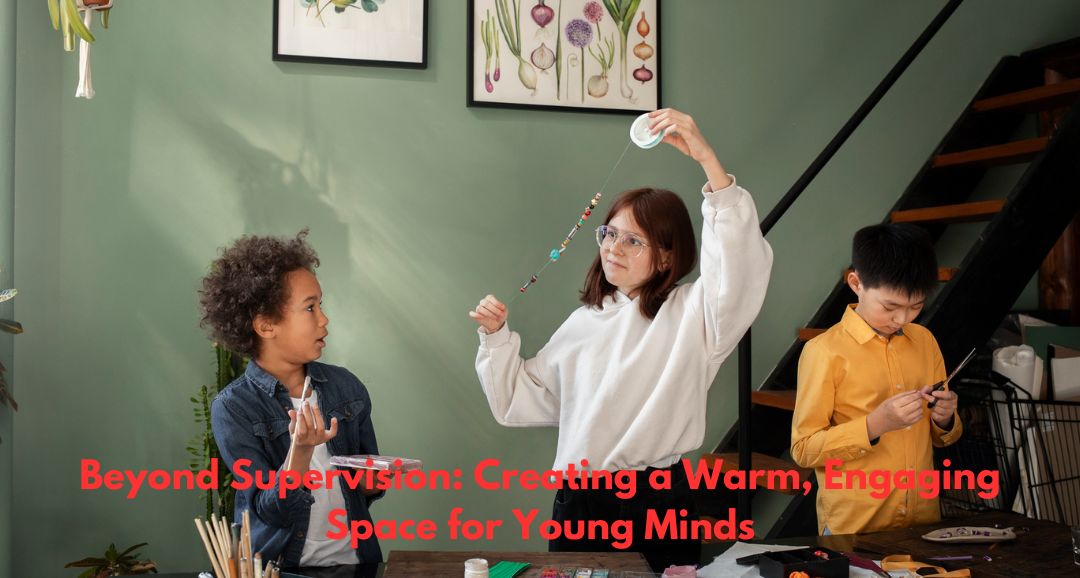
From the moment a child steps into our early-learning environment, we prioritise care, curiosity and exploration. Our spaces are thoughtfully organised—with interactive learning corners, creative-arts ateliers and nature-inspired play zones. Early-years children enjoy weekly music & movement, sand-and-water science, and guided story-walks, fostering engagement rather than mere supervision. We host monthly family fun-mornings, storytelling festivals and mini-carnivals that invite parents into the learning journey. From sensory-rich play to early-reading clubs, we build a joyful, secure foundation where young minds grow and flourish.
1. A New Perspective on Early Childhood Education
Gone are the days when a daycare was simply a safe space for children while parents were at work. Today, the Day Care School have redefined their purpose — they are centers of discovery, play, and emotional growth.
Children learn best when they feel valued and secure. That’s why leading educators focus on holistic development — cognitive, social, emotional, and creative learning. The emphasis is on interactive learning through play, storytelling, music, and exploration rather than rote instruction.
In these nurturing environments, teachers act as facilitators who guide children through new experiences, helping them connect ideas, communicate emotions, and develop curiosity from an early age.
2. The Power of Warmth and Connection
For young learners, emotional safety is the foundation of growth. A warm, engaging atmosphere fosters trust — a key ingredient for confident exploration. When teachers greet each child with care, respond patiently to questions, and encourage every effort, it creates a sense of belonging.
Schools known for their child-centric philosophy design classrooms that radiate warmth — bright colors, natural light, soft furnishings, and interactive play areas. These thoughtful environments make children feel at home, turning classrooms into spaces where they can express freely and learn joyfully.
The Day Care School recognizes that learning begins with connection — and when children feel emotionally supported, their natural curiosity takes flight.
3. Engagement Through Play: Learning That Feels Like Fun
Play is the universal language of childhood. It is through play that children make sense of the world, develop problem-solving skills, and learn cooperation. Quality early learning centers use play not as a break from learning but as the foundation of it.
Structured playtime—like building blocks, pretend play, or storytelling—helps develop fine motor skills, critical thinking, and creativity. Unstructured play, on the other hand, allows children to explore their imagination freely.
Educators at the best early learning environments combine both types, ensuring every moment spent in play contributes to a child’s physical, intellectual, and emotional growth. This philosophy makes the Day Care School stand out — where learning is woven seamlessly into every playful experience.
4. Teachers as Nurturers and Role Models
Behind every confident child is an empathetic teacher who listens, understands, and guides with patience. Educators in forward-thinking schools are not just instructors — they are mentors and emotional anchors.
These professionals undergo continuous training to understand child psychology, learning patterns, and emotional needs. Their goal is to create an atmosphere where each child feels heard and respected. Through gentle guidance, teachers model empathy, cooperation, and respect, shaping both academic and personal growth.
This human connection — rooted in care and understanding — defines why the Day Care School are trusted by parents who value holistic education.
5. Sensory and Experiential Learning: Touch, Feel, Discover
Children are natural explorers. They learn best when they touch, see, and experience things directly. That’s why experiential learning plays a crucial role in early childhood development.
From hands-on science experiments to nature walks and creative art sessions, sensory learning helps strengthen neural connections and memory. Activities like clay modeling, sand play, and gardening not only stimulate curiosity but also develop fine motor coordination and observation skills.
The leading early education centers integrate these experiences into everyday learning, helping children form meaningful connections between ideas and the world around them.
6. Encouraging Communication and Expression
Every child has a unique voice. Encouraging self-expression helps children develop confidence and emotional intelligence. Whether through drawing, storytelling, music, or drama, opportunities for creative communication are essential.
Progressive schools provide multiple platforms for expression — from daily group interactions to art exhibitions and mini performances. Such experiences build vocabulary, listening skills, and the confidence to share thoughts openly.
This child-led communication approach, widely embraced by the Day Care School, empowers children to articulate ideas while respecting others’ perspectives — nurturing empathy and collaboration from an early age.
7. Building Independence and Responsibility
Even small tasks—like organizing toys, watering plants, or packing their own bags—help children develop independence and accountability. Empowering children with responsibility fosters self-esteem and decision-making skills.
In child-centered environments, teachers guide children to take initiative while ensuring they feel supported. The emphasis is on encouragement rather than correction, helping them build resilience and self-discipline naturally.
These real-world experiences lay the groundwork for future learning success and life skills development.
8. Emotional Intelligence: The Heart of Early Education
Education is incomplete without emotional growth. Modern learning spaces focus as much on emotional intelligence as they do on academics. Children learn to recognize their feelings, empathize with others, and handle conflicts calmly.
Teachers use storytelling, role play, and group discussions to help children understand emotions like joy, sadness, and empathy. These foundational skills help them navigate relationships and challenges with compassion.
This focus on emotional development is what makes the Day Care School exceptional — preparing children not just for school but for life.
9. Parental Partnership: Learning Beyond the Classroom
The collaboration between parents and teachers is crucial for consistent growth. Leading schools encourage open communication with parents through regular updates, workshops, and interactive sessions.
These collaborations help parents reinforce learning at home while understanding their child’s developmental milestones. It also strengthens the sense of community — where school and home work together to nurture a child’s full potential.
When schools and parents share this partnership, children experience stability, encouragement, and confidence — both inside and outside the classroom.
10. Inclusion and Diversity: Every Child Belongs
An inclusive classroom celebrates diversity in every form — culture, language, ability, and background. By introducing children to different traditions, festivals, and global stories, schools help foster open-mindedness and respect.
Inclusive practices ensure that every child, regardless of their learning pace or needs, feels accepted and valued. Exposure to diverse experiences helps children appreciate differences and cultivate empathy from the start.
This spirit of inclusivity is a hallmark of the Day Care School, which embraces diversity as a strength and teaches children the true meaning of community.
11. Technology with Purpose: Smart Learning for Young Minds
Technology can be a powerful educational tool when used thoughtfully. Interactive screens, educational games, and age-appropriate apps make learning exciting while developing digital literacy.
However, leading educators balance technology with hands-on experiences, ensuring screen time is limited and purposeful. The focus remains on enhancing creativity and cognitive growth — not replacing human interaction.
This balanced approach ensures children grow comfortable with technology while still engaging deeply with the real world.
12. Prioritizing Safety and Hygiene
For parents, nothing matters more than safety. The Day Care School prioritizes secure infrastructure, trained staff, and child-friendly facilities to ensure complete peace of mind.
Hygiene is maintained through regular sanitization, healthy meals, and strict cleanliness standards. Safety drills and staff training further ensure that every child is protected at all times.
A safe and hygienic environment allows children to focus on what matters most — learning, playing, and growing happily.
13. The Joy of Events and Celebrations
Celebrations are learning experiences in themselves. Festivals, annual events, sports days, and art exhibitions help children understand teamwork, culture, and the joy of participation.
Such events also bring families together, creating lasting bonds between parents, teachers, and students. Every celebration reinforces values like cooperation, gratitude, and pride in one’s achievements.
14. Continuous Growth for Educators
Teachers are lifelong learners too. The best early education centers invest in ongoing professional training, workshops, and skill enhancement programs.
These sessions keep educators updated with the latest teaching methodologies, child psychology, and creative classroom strategies. As teachers grow, the entire learning ecosystem flourishes — ensuring the highest quality of education and care.
15. Preparing for the Future Through Holistic Learning
The Day Care School are shaping the next generation of thinkers, dreamers, and doers. By nurturing curiosity, empathy, and independence, they build strong foundations for lifelong learning.
The goal isn’t just to prepare children for academic success — but to help them become kind, confident individuals who contribute positively to society. When children learn in an environment filled with warmth, creativity, and encouragement, they carry those values with them forever.
Conclusion:
Creating a warm, engaging space for young minds is about more than care — it’s about connection, curiosity, and compassion. At LPS Global School, the Top Schools in Noida where the best schools understand that early education must nurture the heart as much as the mind.
When parents choose the Day Care School, they’re not just selecting a place for supervision — they’re choosing a foundation for lifelong growth. It’s where children feel seen, valued, and inspired to explore the world around them.
In these nurturing spaces, every child’s smile tells a story — a story of confidence, discovery, and the boundless joy of learning beyond supervision.
FAQs:
Q. 1 What defines a truly nurturing early learning environment?
Ans : A balance of safety, warmth, creativity, and emotional support that encourages curiosity.
Q. 2 Why is emotional connection vital in early childcare?
Ans : Children thrive when they feel loved, understood, and secure in their surroundings.
Q. 3 How do play-based activities support early learning?
Ans : They turn everyday experiences into fun lessons that build imagination and problem-solving skills.
Q. 4 What makes a daycare more than just supervision?
Ans : A focus on holistic growth — social, emotional, and cognitive — guided by caring educators.
Q. 5 How do teachers create engaging spaces for toddlers?
Ans : By designing colorful, interactive classrooms that inspire exploration and joy.
Q. 6 How does early education shape lifelong learning habits?
Ans : It nurtures curiosity, independence, and confidence — laying the foundation for future academic success.