
Introduction:
In today’s fast-changing world, education extends far beyond textbooks, exams, and conventional classroom teaching. At LPS Global School, one of the Best CBSE Schools in Noida, the focus is on preparing future-ready learners—students who are confident, resilient, and equipped to adapt to a rapidly shifting landscape. Schools recognised among the CBSE schools understand this evolving need and prioritise not only academic excellence but also the holistic emotional, social, and cognitive growth of every child.
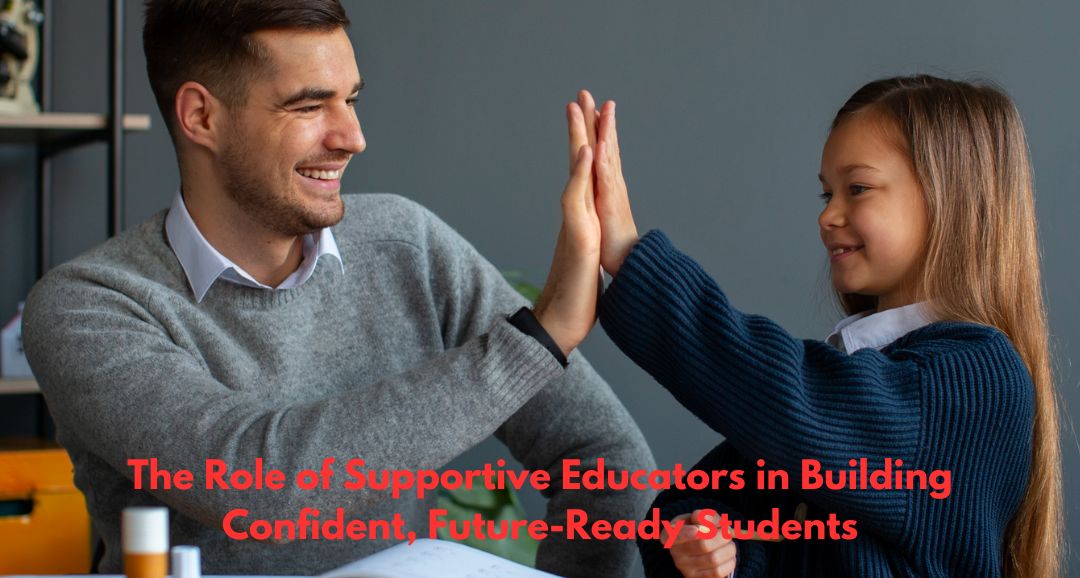
Driving this evolution is a powerful element: supportive educators. These are teachers who inspire curiosity, offer guidance, encourage exploration, and uplift students through every stage of their learning journey. Their influence helps children overcome challenges, discover their strengths, and build the self-assurance required to succeed both in academics and in life.
This article delves into how nurturing and dedicated teachers play a transformative role in developing confident, future-ready learners—nurturing them academically, emotionally, and personally.
About Us:
At our school, we believe education goes beyond textbooks — it’s about nurturing confidence, curiosity, and character. Our dedicated educators act not just as instructors, but as mentors who support every child’s journey. They foster a safe, inclusive environment where learners feel encouraged to ask questions, explore ideas, and grow. Outside the classroom, students engage in a wide array of extracurricular activities — from art, dance, drama, music and debating clubs to sports, yoga, swimming, and more — giving them multiple platforms to discover their strengths.
Regular events like inter-house cultural festivals, sports meets, leadership workshops, and community service drives help build their social skills, resilience, and empathy. With a child-centric philosophy and a vibrant co-scholastic programme, we prepare students not only for academic success, but for life — confident, compassionate, and ready for the future.
1. Creating a Safe and Encouraging Learning Environment
Supportive educators build learning spaces where students feel valued, respected, and understood. This is the first step toward increasing confidence and readiness for the future.
A. Establishing Trust and Emotional Security : Children thrive when they feel emotionally safe. Teachers who listen patiently, celebrate individual strengths, and provide reassurance during setbacks help students develop a strong sense of self-worth. This atmosphere encourages them to participate freely, ask questions boldly, and take intellectual risks without fear of judgment.
B. Fostering Inclusivity and Mutual Respect : When classrooms promote inclusivity, students learn to appreciate diversity and collaborate effectively. Supportive educators ensure that every student—regardless of their learning style, background, or abilities—receives equal opportunities to learn and grow. This nurtures empathy and teamwork, essential qualities for future readiness.
2. Encouraging Curiosity, Creativity, and Critical Thinking
Institutions counted among the CBSE schools strongly focus on holistic development. Educators play a key role in achieving this by integrating creativity and critical thinking into daily lessons.
A. Moving Beyond Rote Learning : Supportive teachers encourage inquiry-based learning, where students explore concepts instead of memorising facts. This helps build problem-solving skills and deepens conceptual understanding.
B. Introducing Real-World Learning Approaches : By incorporating case studies, hands-on projects, storytelling, and collaborative activities, educators help students connect classroom lessons to real-life situations. This approach prepares children to handle modern-day challenges with confidence and insight.
C. Giving Freedom to Think Differently : Supportive educators celebrate original ideas and guide students to articulate their thoughts clearly. This nurtures creative expression and builds self-confidence, allowing children to contribute meaningfully to discussions.
3. Helping Students Build Strong Communication Skills
Future-ready learners must be able to express themselves effectively—in writing, speech, and interpersonal settings. Teachers play a vital role in strengthening communication skills.
A. Encouraging Class Participation : Supportive educators ensure every child gets opportunities to voice their thoughts through presentations, discussions, debates, and group activities.
B. Guiding Students to Communicate with Clarity : Through consistent feedback, teachers help students refine their articulation, vocabulary, and confidence in public speaking.
C. Building Active Listening Skills : By modelling empathy and attentive listening, educators teach students to engage in meaningful dialogue, an essential trait for future leadership.
4. Nurturing Emotional Intelligence and Social Skills
Academic excellence alone cannot prepare students for the challenges of adulthood. Emotional intelligence—self-awareness, empathy, decision-making, and interpersonal skills—plays an equally important role.
A. Teaching Patience, Resilience, and Problem-Solving : Supportive teachers help students understand that failures are learning opportunities. By guiding them through setbacks without criticism, they teach resilience and determination.
B. Helping Students Manage Emotions : Educators help children recognise and express their emotions constructively. This strengthens emotional stability and builds positive behavioural patterns.
C. Encouraging Collaboration and Group Work : Group learning encourages communication, respect for others’ ideas, and conflict resolution. Supportive educators use team-based activities to help children become socially aware and cooperative.
5. Identifying and Supporting Individual Learning Needs
Every child learns differently. Institutions known for being among the CBSE schools invest heavily in personalised learning—which is made possible by dedicated educators.
A. Understanding Different Learning Styles : Supportive teachers identify whether students are visual, auditory, kinesthetic, or experiential learners and design classroom activities accordingly.
B. Providing Remedial Support and Enrichment Opportunities : Educators recognise when students need extra support in a subject and provide personalised guidance. They also offer enrichment activities to students who excel, encouraging them to explore advanced concepts.
C. Monitoring Progress and Offering Constructive Feedback : Supportive feedback helps students understand their strengths and areas of improvement. Teachers guide them toward realistic academic goals while instilling self-belief.
6. Encouraging Leadership and Decision-Making Skills
To build future leaders, educators must provide opportunities for students to take initiative and make decisions.
A. Empowering Students with Responsibilities : Activities such as student-led clubs, classroom duties, and event organisation help children develop leadership qualities.
B. Promoting Independent Thinking : Supportive educators encourage students to analyse situations, express opinions, and make well-informed choices. This strengthens decision-making skills.
C. Creating Platforms for Student Voice : Whether through assemblies, competitions, or student councils, children learn to lead with confidence and integrity.
7. Integrating Technology for Digital Readiness
In today’s digital era, technological literacy is a core component of future readiness.
A. Making Technology a Learning Ally : Supportive educators integrate digital tools—smart boards, coding platforms, virtual labs—to make learning interactive, efficient, and future-focused.
B. Teaching Digital Citizenship : Students learn about online safety, responsible internet usage, and ethical digital behaviour through teacher guidance.
C. Bridging Digital Gaps : Educators help students who may feel overwhelmed by technology gain confidence through patient mentoring and additional practice.
8. Role-Modelling Values and Ethics
Children learn not only through instruction but also through observation. Teachers who consistently demonstrate integrity, responsibility, and empathy become powerful role models.
A. Teaching Through Everyday Behaviour : Educators show children the importance of kindness, honesty, and respect through their interactions.
B. Guiding Students to Build Strong Moral Values : Supportive educators actively discuss themes like compassion, fairness, and cooperation in the classroom.
C. Creating a Positive Value-Based Environment : Daily routines, classroom rules, and the school’s culture reinforce life-long values and shape students’ attitudes.
9. Collaborating with Parents for Holistic Growth
Student development becomes truly powerful when parents and educators work together.
A. Open and Transparent Communication : Supportive educators maintain continuous communication with parents regarding a child’s progress, challenges, and achievements.
B. Providing Guidance for At-Home Learning : Teachers share strategies that families can use to strengthen skills outside school hours.
C. Creating a Unified Growth Strategy for Each Child : When parents and educators align their efforts, students receive consistent guidance, leading to stronger academic and emotional development.
10. Preparing Students for a Dynamic Future
A supportive educator’s influence extends far beyond the classroom. They help transform children into confident, adaptable individuals who can embrace the future with clarity and enthusiasm.
A. Instilling Lifelong Learning Habits : By nurturing curiosity and encouraging exploration, educators teach students to constantly seek new knowledge and adapt to change.
B. Equipping Students with Real-World Skills : Skills such as teamwork, creativity, problem-solving, and communication are woven into daily learning experiences.
C. Strengthening Self-Belief and Confidence : Supportive educators help children recognise their potential and believe in their ability to achieve their dreams.
Conclusion:
Supportive educators are the foundation of every successful learning journey. Their patience, guidance, encouragement, and dedication transform children into confident, future-ready individuals equipped to face a dynamic world.
Institutions regarded as the CBSE Schools understand that education must transcend textbooks. With the help of nurturing teachers who inspire excellence, students grow academically, emotionally, socially, and morally—emerging as responsible citizens and capable leaders of tomorrow.
FAQs:
Q. 1 How do supportive educators influence a child’s confidence?
Ans : They create a safe, encouraging environment where children feel valued, heard, and motivated to take academic and personal risks.
Q, 2 Why is teacher-student bonding important for future readiness?
Ans : Strong relationships help children trust guidance, embrace challenges, and adapt to new learning situations.
Q. 3. How do personalised teaching methods support student growth?
Ans : They allow educators to address each learner’s pace and style, ensuring no child feels left behind.
Q. 4 What makes supportive educators essential in today’s classrooms?
Ans : Their mentorship helps students handle stress, build resilience, and develop the mindset needed for modern careers.
Q. 5 How do teachers encourage students to think independently?
Ans : By asking open-ended questions, offering choices, and promoting curiosity-driven learning.
Q. 6 How do supportive educators contribute to lifelong learning habits?
Ans : They nurture self-reflection and goal-setting, empowering students to take ownership of their progress.