
Introduction:
Education is undergoing one of the most significant transformations in history. At LPS Global School, the Best International School in Noida, driven by technological advancement, globalization, changing career demands, and evolving student needs, the traditional model of education is being redefined. Today, parents are no longer looking only for schools that deliver academic results—they seek institutions that shape thinkers, innovators, and responsible global citizens. This is why many families search for the International School, where future-ready education is not a promise but a daily practice.
The future of education belongs to institutions that lead with vision, adaptability, and purpose. These educational leaders are redefining how children learn, think, and grow—preparing them not just for exams, but for life in an uncertain and interconnected world.
About Us:
We are shaping the future of education by fostering innovative thinkers, compassionate collaborators, and adaptable learners. Grounded in an inquiry-driven curriculum, we prepare students to thrive in a world defined by rapid change and global interconnectedness. Our approach integrates technology-enhanced learning, interdisciplinary exploration, and real-world problem-solving to build critical thinking and creativity. Students engage in a vibrant spectrum of extracurricular activities including robotics, performing arts, sports leagues, creative writing, and sustainability initiatives that expand their perspectives and passions.
Signature annual events like innovation expos, cultural fests, and community outreach programs supplement classroom learning with experience-rich opportunities. Through mentorship, career guidance, and well-being programs, we support the emotional and intellectual growth of every learner. Anchored in values and forward-thinking education, our community inspires students to embrace lifelong learning and become leaders who can shape a better world.
Understanding the Changing Landscape of Education
From Information to Transformation
In the past, education focused on information delivery. Today, information is available everywhere. The real value of education lies in teaching students how to:
- Analyze information critically
- Apply knowledge creatively
- Solve complex problems
- Adapt to continuous change
The International School reflects this shift by focusing on learning that transforms students into independent thinkers and lifelong learners.
Education in the Age of Globalization
Preparing Students for a Borderless World
The future workforce is global. Students will collaborate with people from different cultures, countries, and perspectives. Leading international institutions integrate global awareness into everyday learning.
Students are encouraged to:
- Understand global issues
- Respect cultural diversity
- Think beyond local contexts
This global mindset is a defining characteristic of forward-thinking education.
Learner-Centered Education: The New Standard
From Teacher-Led to Student-Driven Learning
The future of education prioritizes the learner. Progressive institutions are moving away from rigid, one-directional teaching models to student-centered approaches that encourage curiosity and participation.
In such environments, students:
- Ask questions and explore ideas
- Engage in discussions and projects
- Take ownership of their learning journey
This shift empowers learners and builds confidence—key qualities nurtured by the International School.
Technology as an Enabler, Not a Replacement
Smart Integration of Digital Tools
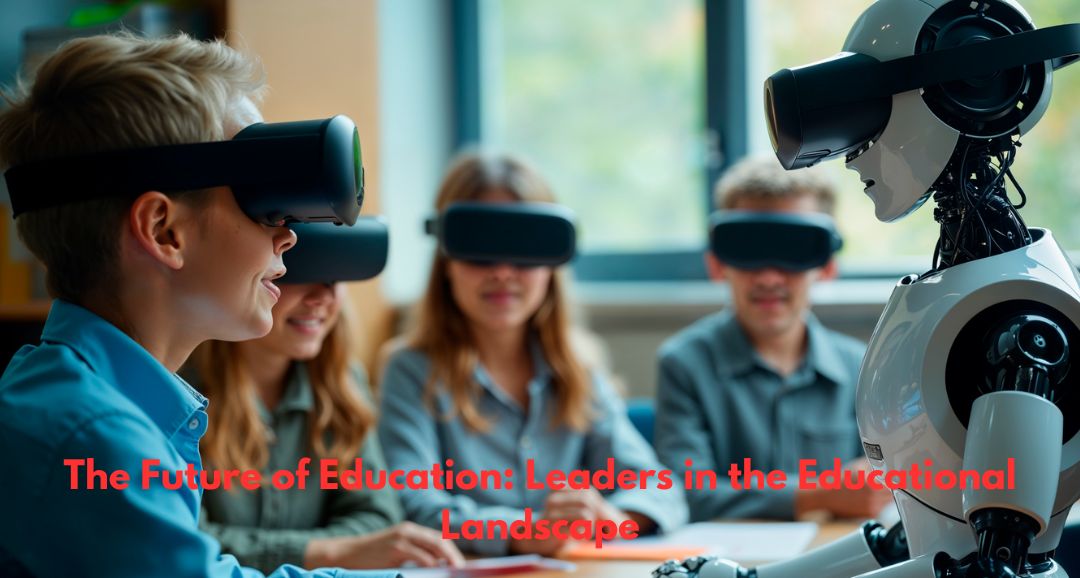
Technology is reshaping education, but the future is not about replacing teachers with screens. It is about using technology strategically to enhance learning.
Educational leaders integrate:
- Interactive digital classrooms
- Online research and collaboration tools
- Coding and computational thinking
Students learn how to use technology responsibly, creatively, and effectively—skills essential for future careers.
Emphasis on Critical Thinking and Problem-Solving
Preparing Minds for Complex Challenges
Tomorrow’s challenges will not have simple answers. Leading institutions focus on developing critical thinking skills that allow students to:
- Evaluate multiple perspectives
- Think logically and ethically
- Make informed decisions
The International School prioritizes inquiry-based learning, case studies, and real-world applications to strengthen these abilities.
Holistic Development as the Core of Future Education
Beyond Academic Achievement
Future education recognizes that success is multidimensional. Emotional intelligence, communication, resilience, and creativity are just as important as academic knowledge.
Top institutions focus on:
- Social-emotional learning
- Confidence building
- Leadership development
This holistic approach ensures students grow into balanced individuals ready to face life’s challenges.
Values and Ethics in a Rapidly Changing World
Education with a Moral Compass
As the world becomes more complex, ethical leadership becomes essential. The future of education places strong emphasis on values such as integrity, empathy, and responsibility.
Students learn:
- To act ethically in diverse situations
- To respect others’ perspectives
- To contribute positively to society
This values-driven education defines institutions recognized as the International School.
Personalized Learning for Individual Growth
One Size No Longer Fits All
Every learner is unique. The future of education embraces personalized learning paths that cater to individual strengths, interests, and learning styles.
Educational leaders offer:
- Differentiated instruction
- Continuous assessment and feedback
- Academic and emotional support systems
This ensures that every student receives guidance tailored to their potential.
Preparing Students for Careers That Don’t Yet Exist
Future-Ready Skills Over Fixed Knowledge
Many future careers have not yet been invented. This makes adaptability and skill development more important than memorizing facts.
Top international institutions focus on:
- Creativity and innovation
- Collaboration and communication
- Adaptability and resilience
Students educated in this way are prepared for evolving career landscapes.
Leadership Development as an Educational Priority
Building Leaders from an Early Age
Leadership is a key focus in future-ready education. Students are encouraged to take initiative, lead projects, and accept responsibility.
Leadership skills developed include:
- Decision-making
- Team management
- Ethical judgment
The International School integrates leadership opportunities into everyday learning experiences.
Experiential Learning and Real-World Exposure
Learning That Extends Beyond the Classroom
The future of education values experiences as much as instruction. Leading institutions incorporate experiential learning through:
- Community engagement projects
- Environmental initiatives
- Practical problem-solving activities
These experiences help students connect learning to real life.
Mental Health and Well-Being in Education
Supporting the Whole Learner
Academic pressure and social challenges make mental well-being a crucial part of education’s future. Progressive schools prioritize:
- Emotional safety
- Counseling and support services
- Stress management and mindfulness
A supportive environment allows students to thrive academically and emotionally.
Strong Parent-School Partnerships
Collaboration for Student Success
The future of education recognizes parents as partners. Transparent communication and collaboration ensure consistency in learning and values.
Leading institutions maintain:
- Regular academic updates
- Open communication channels
- Parent engagement initiatives
This partnership strengthens student outcomes and trust.
Continuous Teacher Development
Educators as Lifelong Learners
The future of education depends on teachers who evolve alongside students. Educational leaders invest in ongoing teacher training to ensure:
- Updated teaching methodologies
- Innovative classroom practices
- Strong mentorship skills
High-quality educators are the backbone of the International School.
Sustainability and Social Responsibility in Education
Educating for a Better World
Future-focused education instills awareness of environmental and social responsibility. Students are encouraged to:
- Practice sustainable habits
- Understand global challenges
- Take action for positive change
This nurtures responsible global citizens.
The Role of International Education in the Future
A Global Perspective from Early Years
International education frameworks provide exposure to diverse ideas, cultures, and learning approaches. This prepares students to:
- Think globally
- Communicate across cultures
- Adapt to international academic environments
Such exposure is a hallmark of future-ready institutions.
Why Educational Leadership Matters More Than Ever
Educational leaders shape:
- Curriculum relevance
- School culture
- Student outcomes
Institutions that lead the educational landscape are proactive, innovative, and student-focused—qualities parents look for when choosing the International School.
The Long-Term Impact of Future-Focused Education
Students educated in progressive environments develop:
- Confidence to navigate uncertainty
- Skills to lead and innovate
- Strong ethical foundations
These qualities extend far beyond school years into professional and personal life.
Conclusion:
The future of education is dynamic, inclusive, and purpose-driven. Institutions that lead this transformation understand that education is not just about preparing students for exams—but for life in a complex, interconnected world.
By focusing on holistic development, global perspectives, ethical leadership, and future-ready skills, the International School sets a benchmark for what modern education should achieve. Such schools do not merely adapt to change—they lead it, shaping confident learners and responsible leaders who are ready to build a better tomorrow.
FAQs:
Q. 1 How is education changing for future generations?
Ans : It is shifting from information-based learning to skill-driven and student-centered education.
Q. 2 Why is critical thinking vital in future education models?
Ans : It helps students analyze complex problems and adapt to changing global challenges.
Q. 3 What role does technology play in future education?
Ans : Technology enhances learning through research, collaboration, and digital literacy when used thoughtfully.
Q. 4 How does global exposure benefit students?
Ans : It prepares them to thrive in multicultural and international environments.
Q. 5 Why is emotional well-being important in modern education?
Ans : A balanced emotional state supports better learning, confidence, and resilience.
Q. 6 What defines educational leadership in the future?
Ans : Visionary institutions that combine innovation, values, and holistic growth lead the way.