
Introduction:
Student confidence is not built overnight. It grows steadily through everyday experiences, interactions, and encouragement. At LPS Global School, the Best CBSE School in Noida where one of the most influential factors shaping this confidence is a school’s culture—the values it upholds, the relationships it nurtures, and the environment it creates for learning. Parents increasingly recognize that a positive school culture plays a crucial role in helping students believe in themselves and reach their full potential.
About Us:
A positive and inclusive school culture lies at the heart of student development. Confidence is nurtured through encouragement, teamwork, and participation in clubs, sports, performing arts, and leadership opportunities. Events like talent showcases, assemblies, and theme-based celebrations allow students to express themselves freely, helping them grow into self-assured learners with strong interpersonal skills.
Understanding Positive School Culture
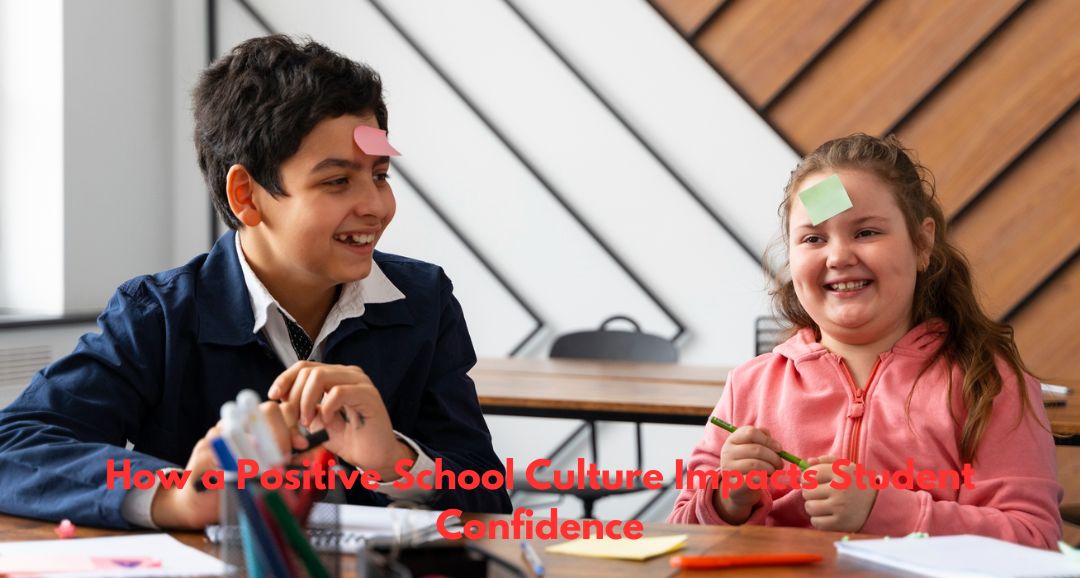
A positive school culture is built on respect, trust, inclusivity, and shared values. It is reflected in how students are treated, how teachers engage with learners, and how achievements—both big and small—are celebrated.
When students feel safe, valued, and supported, they are more willing to participate, ask questions, and express their ideas. This sense of belonging lays the foundation for strong self-confidence and emotional security.
Creating a Safe and Supportive Learning Environment
Confidence thrives in an environment where students are not afraid to make mistakes. In positive school cultures, errors are seen as learning opportunities rather than failures.
Supportive classrooms encourage:
- Open communication
- Constructive feedback
- Mutual respect between students and teachers
Such environments help learners take academic risks, explore new concepts, and grow without fear of judgment—a key trait of institutions regarded among the schools.
The Role of Teachers in Building Confidence
Teachers are central to shaping school culture. When educators act as mentors and motivators, students feel empowered to trust their abilities.
Through encouragement, personalized guidance, and fair expectations, teachers help students recognize their strengths. Regular acknowledgment of effort—not just results—reinforces self-belief and resilience, enabling learners to approach challenges with confidence.
Encouraging Student Voice and Participation
A positive school culture values student perspectives. When learners are encouraged to share opinions, participate in discussions, and take initiative, their confidence naturally grows.
Activities such as group projects, debates, assemblies, and leadership roles give students opportunities to express themselves and develop communication skills. Feeling heard and respected strengthens their sense of identity and self-worth.
Fostering Healthy Peer Relationships
Confidence is also shaped by peer interactions. A respectful and inclusive culture promotes kindness, teamwork, and cooperation among students.
When schools actively discourage bullying and promote empathy, students feel emotionally secure. Strong peer relationships help learners build social confidence, collaborate effectively, and develop lasting friendships—essential elements of overall well-being.
Celebrating Effort, Progress, and Achievement
Recognition plays a powerful role in confidence building. Positive school cultures celebrate not only academic success but also improvement, creativity, discipline, and teamwork.
By acknowledging individual progress, students understand that growth matters more than comparison. This approach motivates learners to set goals, persist through challenges, and believe in their capacity to improve.
Extracurricular Activities as Confidence Boosters
Beyond the classroom, extracurricular activities provide valuable opportunities for self-discovery. Sports, arts, music, drama, and community initiatives allow students to explore interests and talents beyond academics.
Participation in these activities builds leadership, teamwork, and self-expression. Many parents associate such holistic opportunities with the schools, where confidence is nurtured in multiple dimensions.
Emotional Well-Being and Mental Strength
A positive school culture prioritizes emotional well-being alongside academic success. When students are taught emotional awareness, stress management, and empathy, they develop inner confidence.
Support systems, counseling, and open dialogue help learners navigate challenges calmly and responsibly. Emotional resilience strengthens their ability to face setbacks and maintain self-belief.
Long-Term Impact on Student Growth
The confidence developed in school extends far beyond the classroom. Students who grow up in positive learning environments tend to become independent thinkers, effective communicators, and responsible individuals.
As they move into higher education and professional life, their confidence enables them to adapt, lead, and succeed. This lasting impact is why parents seeking the schools prioritize institutions with strong, positive cultures.
Conclusion:
A positive school culture is a powerful catalyst for student confidence. By fostering safety, respect, encouragement, and inclusion, schools create environments where learners feel empowered to grow academically, socially, and emotionally.
Choosing a school with a nurturing culture ensures that children don’t just gain knowledge—they develop confidence, resilience, and self-belief that will guide them throughout their lives.
FAQs:
Q. 1 What is a positive school culture?
Ans : An environment built on respect, encouragement, inclusion, and trust.
Q. 2 How does school culture influence student confidence?
Ans : Supportive surroundings help students express themselves without fear.
Q. 3 What role do teachers play in building confidence?
Ans : Teachers motivate, guide, and acknowledge effort, boosting self-belief.
Q. 4 How do peer interactions affect confidence levels?
Ans : Healthy peer relationships promote emotional security and social confidence.
Q. 5 Can extracurricular activities enhance confidence?
Ans : Yes, they provide platforms for self-expression and leadership.
Q. 6 How does confidence impact academic performance?
Ans : Confident students participate actively and perform more consistently.