
Key Highlights
- Experiential learning bridges the gap between theory and real-life application
- Builds critical thinking, creativity, and problem-solving skills
- Encourages active participation and deeper understanding
- Aligns with modern education trends followed by top CBSE schools
- Prepares students for future careers and global challenges
Table of Contents
- Introduction
- About Us
- What is Experiential Learning?
- Why Are Schools Shifting Towards Experiential Learning?
- How Does Experiential Learning Improve Academic Outcomes?
- What Role Do Teachers and Infrastructure Play?
- Conclusion
- FAQs
Introduction:
Education today is evolving far beyond textbooks and traditional classroom methods. At LPS Global School Noida, the Top CBSE Schools in Noida where in an era driven by innovation and rapid change, students need more than just theoretical knowledge—they require practical understanding, adaptability, and real-world skills. Experiential learning focuses on “learning by doing,” where students actively engage in activities such as experiments, projects, fieldwork, and collaborative problem-solving.
This approach not only enhances academic understanding but also nurtures confidence and independence. As schools strive to prepare students for future challenges, integrating experiential learning has become not just beneficial, but essential.
About Us:
At LPS Global School, learning goes beyond classrooms through experiential practices like field trips, projects, and hands-on activities that enhance real-world understanding. The school integrates academics with activities such as dance, art, robotics, and environmental clubs to promote holistic development. Regular excursions and educational tours further enrich learning experiences, helping students connect theory with practice while building confidence and curiosity.
What is Experiential Learning?
Experiential learning is an educational approach where students learn through direct experiences rather than passive listening. It involves:
- Hands-on activities
- Real-world problem solving
- Collaborative projects
- Reflective thinking
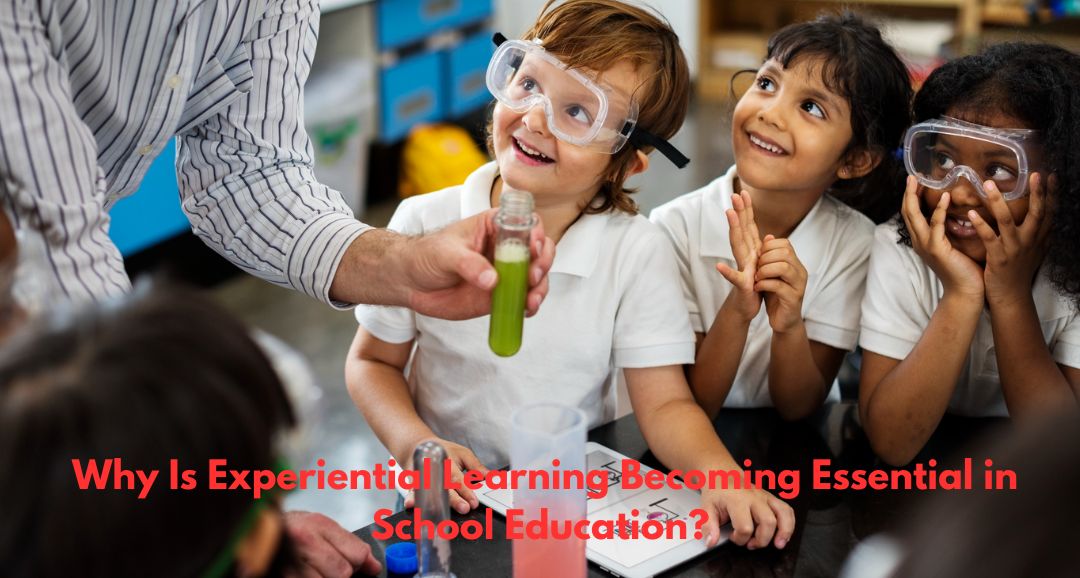
This method ensures that students understand concepts deeply instead of memorizing them. For example, a science experiment conducted in a lab leaves a lasting impression compared to simply reading about it in a book.
Why Are Schools Shifting Towards Experiential Learning?
Comparison: Traditional Learning vs Experiential Learning
| Aspect | Traditional Learning | Experiential Learning |
| Teaching Style | Teacher-centered | Student-centered |
| Learning Method | Passive (listening/reading) | Active (doing/experiencing) |
| Skill Development | Limited | Holistic |
| Retention Rate | Moderate | High |
| Real-Life Application | Minimal | Strong |
Key Reasons for the Shift
- Improved Engagement: Students are more involved and interested
- Better Retention: Learning by doing improves memory retention
- Skill Development: Encourages leadership, teamwork, and communication
- Future Readiness: Prepares students for real-world challenges
Top-performing schools are increasingly adopting this approach to create a dynamic and engaging learning environment.
Impact on Student Performance
| Learning Method | Concept Clarity | Engagement Level | Exam Performance |
| Lecture-Based | Medium | Low | Average |
| Activity-Based | High | High | Above Average |
| Experiential Learning | Very High | Very High | Excellent |
Key Benefits
- Deeper Understanding: Students connect theory with practice
- Critical Thinking: Encourages questioning and analysis
- Confidence Building: Students learn by exploring and presenting
- Creativity Boost: Promotes innovation and independent thinking
This approach ensures that students don’t just learn—they internalize knowledge and apply it effectively.
Conclusion:
Experiential learning is no longer an optional teaching strategy—it is a necessity in today’s education system. By focusing on hands-on experiences, critical thinking, and real-world application, it equips students with the skills they need to succeed in an ever-changing world. Institutions recognized among the CBSE Schools are already leading this transformation by adopting innovative teaching methodologies that prioritize student engagement and holistic development.
FAQs
Q. 1 Why is experiential learning important at LPS Global School compared to other schools?
Ans: It emphasizes practical knowledge and skill development, giving students an edge over traditional learning methods used in many schools.
Q. 2 How does experiential learning at LPS Global School differ from traditional CBSE schools?
Ans: It focuses more on hands-on activities and real-life applications rather than rote learning.
Q. 3 Is experiential learning more effective than classroom teaching at LPS Global School?
Ans: Yes, it enhances understanding, retention, and engagement compared to conventional teaching styles.
Q. 4 Do CBSE Schools provide better experiential learning opportunities than LPS Global School?
Ans: While many schools offer such methods, the depth and execution of experiential learning can vary significantly.
Q. 5 How does experiential learning at LPS Global School prepare students for future careers compared to others?
Ans: It builds critical thinking, teamwork, and problem-solving skills essential for real-world success.
Q. 6 Why should parents prefer experiential learning at LPS Global School over other CBSE schools?
Ans: It ensures holistic development, combining academics with life skills and practical exposure.