
Introduction:
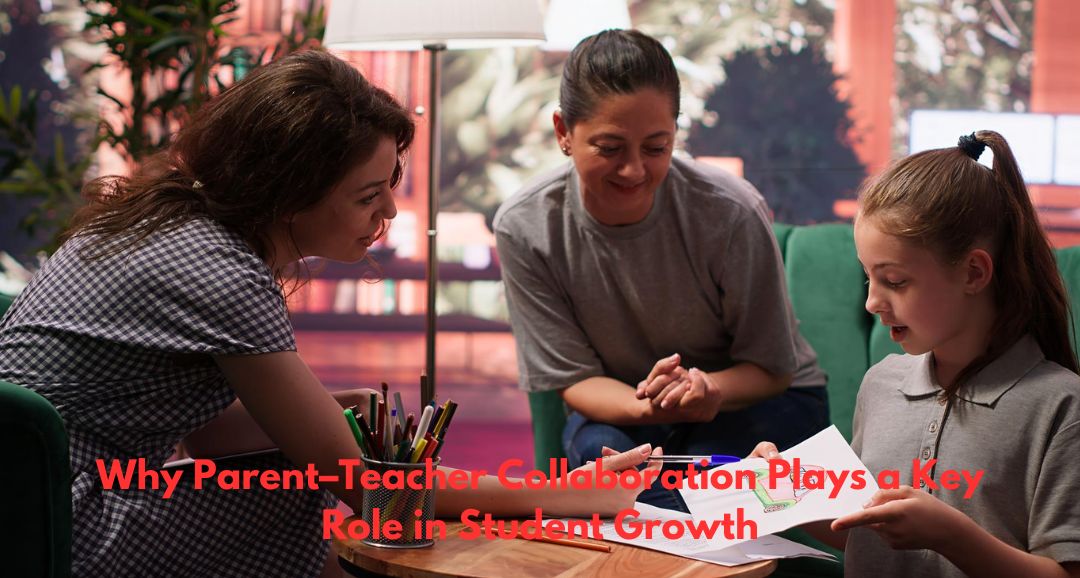
A child’s educational journey is most successful when parents and teachers work together as partners. While schools provide structured learning environments and academic guidance, parents play an equally important role in reinforcing learning at home. This collaboration creates a strong support system that helps students develop academically, socially, and emotionally. At LPS Global School Noida, the Good Schools in Noida, institutions that encourage strong parent–teacher partnerships often witness better student engagement and overall development.
About Us:
LPS Global School believes that strong partnerships between parents and educators create a supportive environment for student success. The school regularly organizes parent interaction sessions, workshops, exhibitions, and cultural celebrations to encourage collaboration and engagement. Students take part in activities such as music, dance, dramatics, debate, and environmental initiatives that help build confidence and teamwork.
Creating a Supportive Learning Environment
Children thrive when they feel supported both at home and at school. When parents and teachers maintain open communication, they gain a clearer understanding of a child’s strengths, challenges, and learning style.
Teachers can share classroom observations and academic progress, while parents provide insights into the child’s interests, behavior, and habits at home. This shared information allows both parties to work together to support the student more effectively.
A consistent approach between home and school helps students feel secure, motivated, and confident in their learning journey.
Strengthening Academic Performance
Regular interaction between parents and teachers can significantly improve a student’s academic performance. When parents stay informed about classroom lessons, assignments, and upcoming assessments, they are better able to guide and support their children at home.
Parent–teacher meetings, progress reports, and digital communication platforms help parents track their child’s development and address any concerns early. When teachers and parents collaborate on strategies to improve learning, students receive the guidance they need to overcome academic challenges.
Encouraging Positive Behavior and Discipline
Children learn values and discipline through the examples set by both parents and educators. When parents and teachers communicate regularly about behavior and expectations, they can reinforce positive habits and address concerns effectively.
For example, if a student struggles with classroom behavior or time management, teachers can share observations and parents can help implement supportive routines at home. Consistent guidance ensures that students understand the importance of responsibility, respect, and self-discipline.
This unified approach helps students develop strong character and positive attitudes toward learning.
Identifying and Addressing Learning Challenges
Every child learns differently, and some students may face challenges in certain subjects or skills. Early identification of these difficulties is crucial for providing timely support.
When parents and teachers collaborate, they can quickly identify learning gaps and develop strategies to address them. Teachers may suggest additional practice, personalized attention, or remedial sessions, while parents can reinforce these efforts at home.
Working together ensures that students receive the help they need before small challenges turn into larger academic obstacles.
Building Student Confidence
Students feel more confident when they know that their parents and teachers are working together to support them. Positive communication between home and school reassures children that their progress matters and that adults are invested in their success.
Encouragement from both parents and teachers helps students believe in their abilities and motivates them to participate actively in class activities. When achievements are recognized and celebrated by both sides, students develop a stronger sense of accomplishment.
Confidence gained through this support system plays a vital role in both academic and personal development.
Conclusion:
Parent–teacher collaboration is one of the most powerful factors in a child’s educational success. By maintaining open communication, sharing responsibilities, and supporting students together, parents and teachers create an environment where children can thrive. When families and educators work as partners, they provide students with the guidance and encouragement needed to grow into capable, confident individuals ready to succeed in the future.
FAQs:
Why is parent–teacher communication important for students?
Regular communication helps both sides understand the child’s progress and provide better academic and emotional support.
How do parent–teacher meetings benefit student learning?
They allow parents and teachers to discuss strengths, challenges, and strategies to support the child’s development.
Can parental involvement improve a child’s academic performance?
Yes, students perform better when parents actively support learning at home and stay engaged with school activities.
How does collaboration help address learning difficulties?
Teachers and parents can identify challenges early and work together to create effective solutions.
How does parent support influence student confidence?
Encouragement from both teachers and parents builds motivation and self-belief in students.
What long-term benefits come from strong parent–school partnerships?
Students develop better discipline, communication skills, and emotional stability that support lifelong success.