
Key Highlights
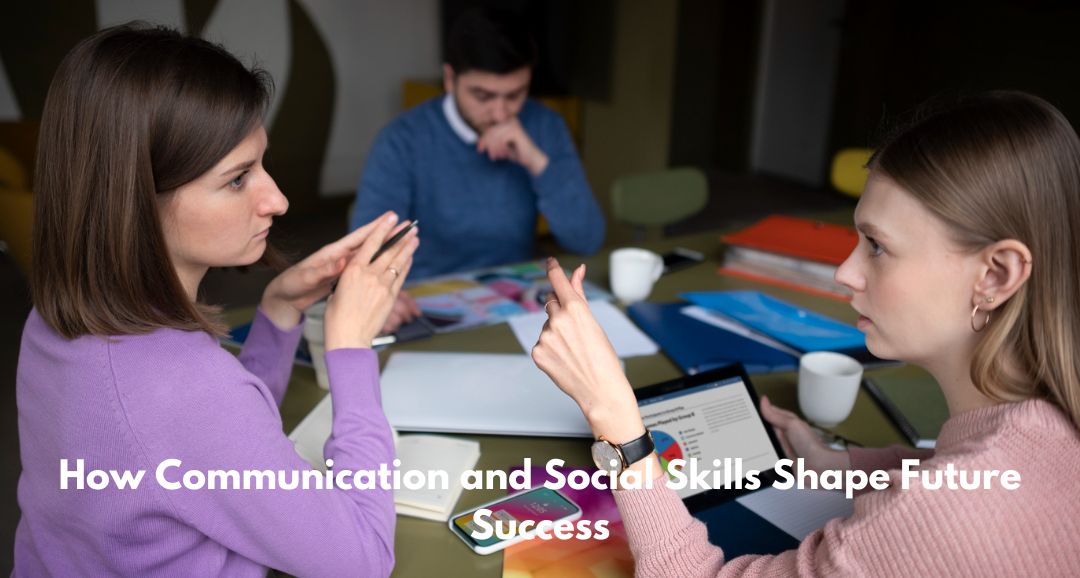
- Communication and social skills help students build confidence and express ideas effectively.
- Strong interpersonal skills support academic, personal and professional growth.
- Social learning encourages teamwork, empathy and leadership abilities.
- Modern education focuses on developing skills beyond traditional academics.
- Choosing among the Good Schools helps parents provide children with a balanced learning environment.
Table of Contents
- Introduction
- About Us
- Why Are Communication and Social Skills Important in Education?
- How Do Communication Skills Improve Student Confidence?
- Why Are Social Skills Essential for Future Success?
- How Can Schools Develop Communication and Social Skills in Students?
- Communication and Social Skills: Key Development Areas
- Conclusion
- FAQs
Introduction:
Academic knowledge is an important part of education, but success in the modern world also depends on how effectively individuals communicate, collaborate and build relationships. At LPS Global School, the Good Schools in Noida where communication and social skills help students express their thoughts clearly, understand different perspectives and work confidently with others. These abilities play a crucial role in shaping personality, improving decision-making and preparing children for future academic and professional environments.
About Us:
LPS Global School focuses on creating an educational environment where students receive opportunities to develop academically, socially and personally. Through a balanced learning approach, the institution encourages students to build confidence, creativity and essential skills that support their overall growth and future success.
Why Are Communication and Social Skills Important in Education?
Communication and social skills are important because they influence how students interact with teachers, classmates and the wider community. Children who can express their ideas confidently often participate more actively in learning activities and develop stronger connections with others.
In today’s competitive world, students need skills that help them adapt to different situations. Effective communication allows them to share ideas, while social skills help them understand teamwork, cooperation and respect.
Important benefits include:
- Improved confidence in expressing thoughts.
- Better classroom participation.
- Stronger teamwork abilities.
- Development of empathy and understanding.
- Improved leadership qualities.
- Better conflict-resolution skills.
These skills create a foundation for lifelong personal and professional growth.
How Do Communication Skills Improve Student Confidence?
Communication skills help students become more confident by encouraging them to express opinions, ask questions and share ideas. When children learn how to communicate effectively, they become more comfortable participating in discussions, presentations and group activities.
Schools provide various opportunities where students can practise communication, such as debates, storytelling, presentations and collaborative projects. These activities improve speaking abilities while also teaching students how to listen carefully and respond thoughtfully.
Communication development helps students:
- Organise their thoughts clearly.
- Improve public speaking abilities.
- Build confidence during interactions.
- Express creativity and opinions.
- Develop better listening habits.
A learning environment that promotes communication helps students overcome hesitation and become active participants in their education.
Why Are Social Skills Essential for Future Success?
Social skills are essential because future success depends heavily on the ability to work with others. Whether students enter higher education, professional environments or entrepreneurship, they need cooperation, adaptability and relationship-building skills.
Social skills help children understand different viewpoints and work effectively in diverse teams. They learn how to respect others, manage disagreements and contribute positively to group activities.
Strong social skills support students by:
- Developing teamwork abilities.
- Encouraging emotional intelligence.
- Improving leadership potential.
- Building respectful relationships.
- Helping manage challenges positively.
For parents comparing the Good Schools, selecting an institution that focuses on social development can help children gain skills required for long-term success.
How Can Schools Develop Communication and Social Skills in Students?
Schools play an important role in helping students practise communication and social skills regularly. A supportive classroom environment encourages children to interact, collaborate and learn from each other.
Schools can develop these skills through:
- Group projects and teamwork activities.
- Classroom discussions and presentations.
- Leadership opportunities.
- Sports and cultural activities.
- Community engagement programmes.
- Creative expression activities.
- Peer learning sessions.
Teachers also contribute by encouraging open communication and creating an inclusive atmosphere where every student feels valued. Such experiences help children become more confident, responsible and socially aware.
Communication and Social Skills: Key Development Areas
| Skill Area | Benefits for Students |
| Verbal Communication | Improves expression and confidence |
| Listening Skills | Encourages better understanding |
| Teamwork | Builds cooperation and collaboration |
| Emotional Intelligence | Develops empathy and self-awareness |
| Leadership | Encourages responsibility and decision-making |
| Adaptability | Helps students handle changes effectively |
Impact of Social and Communication Skills on Student Growth
| Growth Area | Learning Outcome |
| Academic Participation | Students engage more actively in classrooms |
| Confidence | Students express ideas without hesitation |
| Relationships | Students develop positive interactions |
| Problem Solving | Students handle challenges through discussion |
| Career Readiness | Students gain workplace-relevant abilities |
Conclusion:
Communication and social skills have become essential components of modern education because they prepare students for challenges beyond the classroom. While academic knowledge provides a strong foundation, the ability to communicate effectively, collaborate with others and understand different perspectives helps students succeed in various areas of life.
FAQs:
Q. 1 How does LPS Global School develop communication skills compared to traditional schools?
Ans : LPS Global School encourages presentations, discussions and interactive activities, while traditional methods may focus mainly on textbook learning.
Q. 2 Why should parents compare LPS Global School with schools that provide limited social skill development?
Ans : The comparison helps parents understand the importance of teamwork, confidence and interpersonal abilities.
Q. 3 Is LPS Global School better for building student confidence than schools focused only on academics?
Ans : Its approach supports both academic learning and personality development through skill-building activities.
Q. 4 How is LPS Global School different from schools that offer fewer opportunities for student interaction?
Ans : It promotes communication, collaboration and participation through various learning experiences.
Q. 5 Why do parents consider LPS Global School while selecting a school for overall development?
Ans : The institution focuses on creating a balanced environment that supports academic and social growth.
Q. 6 Can LPS Global School prepare students better for future challenges than traditional learning models?
Ans : Developing communication and social skills helps students become adaptable, confident and future-ready.